Commercial Waste Removal in Hayes
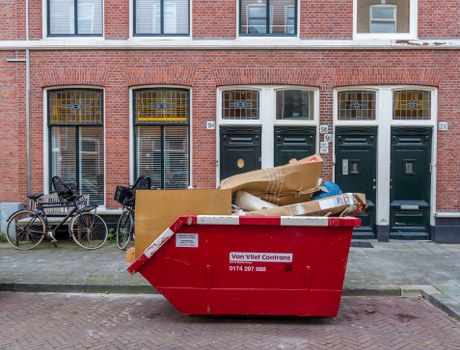
Commercial waste removal in Hayes helps local businesses keep premises clear, workable and ready for the next shift, delivery or customer visit. Our service covers regular and one-off collections for mixed workplace waste, packaging, office clear-outs and other non-hazardous commercial material, with practical support for businesses that need their waste handled without disrupting daily operations. Where suitable, we can also separate recoverable material for recycling and direct it through the right route.
For many organisations, the main value is straightforward: waste is taken away in a planned way, from the correct point on site, without leaving staff to manage heavy bags or bulky items. We work with shops, offices, landlords, trades and other premises that need a reliable clearance service rather than an ad hoc tip run. Clear collection planning also helps when waste builds up after refurbishments, stock changes or an office move.
If you already know what needs removing, you can request a quotation with a brief description of the materials and access. If you are still comparing options, use the sections below to see how the service is arranged and which types of waste are commonly dealt with. When you are ready, a simple enquiry is usually the quickest way to set the work in motion.
Business Waste Collections for Working Premises
Business waste collections are useful when a workplace produces a steady stream of rubbish that should not be left to build up in corridors, stores, staff areas or yards. The service can suit offices, retail units, hospitality settings, workshops and managed buildings that need waste removed at times that fit the running of the site. We handle the load-out and removal so the client does not have to manage disposal in-house.
Typical material includes bagged rubbish, cardboard, packaging, paper waste, broken office items and other general commercial refuse. Where the waste is mixed, it is normally best to describe the contents as accurately as possible so the collection can be planned correctly. Our aim is to keep the process practical and tidy, with sensible handling of items that are awkward, dusty or stored in hard-to-reach places.
Choosing the right collection pattern
The best arrangement depends on how quickly waste is generated and where it sits on the premises. Some customers need an occasional clear-out after a busy period; others prefer a repeat collection pattern that keeps disposal under control. Factors such as loading access, lift use, stairs, basement storage and the amount of sorting already done can affect how the work is scheduled.
Office Waste Removal and Workspace Clear-Outs

Office waste removal is aimed at workplaces that need desks, cupboards, meeting rooms or storage areas cleared of accumulated rubbish and unwanted items. It can cover paper waste, packaging, obsolete office equipment, loose contents from drawers and cupboards, and general non-hazardous items gathered during a tidy-up or relocation. The service is especially useful when the office must remain usable while clearance work is carried out.
We also help when an office change creates a larger-than-usual volume of waste in a short space of time. That may include old furniture, redundant fittings, archived paperwork ready for disposal, or mixed waste created by rearranging rooms and reducing storage. Our work is focused on removing the items efficiently while keeping the premises as orderly as possible during the process.
To prepare, it helps to separate anything you want to keep from the material to be removed and, where possible, identify any items that may need special handling. A clear note about access, floor level and any restrictions on collection times helps us plan the visit properly. If there is a secure area or reception procedure, mentioning it in advance avoids delay on the day.
Furniture, Fixtures and Bulk Item Removal
Many commercial clearances involve bulky items that take up space long after they have stopped being useful. We can remove desks, chairs, tables, shelving, cabinets and other office or workplace furniture as part of a broader waste removal job or a targeted bulk-item collection. This type of work is often chosen when a business is refurbishing, reconfiguring a room or clearing a storage area.
Bulk item removal is particularly helpful where objects are awkward to carry, too heavy for normal disposal or stored in places that are inconvenient for staff to empty themselves. We plan the collection around the size, condition and location of the items, which helps reduce the time spent on site. If items are to be dismantled before removal, that can usually be discussed when the enquiry is made.
For certain furniture types, it can be sensible to group similar items together before collection. That may make loading simpler and give a clearer picture of the volume involved. Careful grouping also helps when a site has several rooms or storage points, because the team can work through the load in a more orderly way rather than searching for scattered items.
Recycling-Led Waste Handling and Material Separation

Where the waste stream allows it, separating recyclable material is an important part of responsible commercial waste removal. Cardboard, paper, some plastics, clean metal items and certain office materials can often be directed away from general disposal if they are presented clearly and in suitable condition. This is useful for businesses that want a more structured approach to clearing waste without overcomplicating the job.
Different materials often need different handling because they vary in weight, contamination and likely destination. For example, packaging contaminated with food waste or liquids may not be suitable for the same route as clean cardboard. Likewise, mixed office contents can be simpler to remove when recyclable and non-recyclable elements have been separated beforehand. We can advise on straightforward sorting where that would make the collection more efficient.
Common items to think about before the collection include:
- clean cardboard and packaging
- paper files and office paper
- metal shelving or light fixtures
- general mixed workplace rubbish
Clearances After Refurbishment, Relocation or Stock Changes
Commercial waste removal is often needed at the end of a fit-out, during a relocation, or after stock and display changes. These situations can produce a combination of rubbish, damaged fittings, packaging and unwanted items that should be taken away promptly so the premises can be used again. A planned clearance also reduces the risk of waste being left in back rooms, loading areas or shared access spaces.
We approach these clearances by identifying what needs to go, what may need separating, and how access to the waste points will work. That might include items left in different floors or rooms, or materials that have to be moved through narrow corridors, lifts or service entrances. A sensible plan saves time and helps keep the job under control when there is a lot of loose material.
When several types of waste are present, it is helpful to note anything that should not be mixed with the main load. That is especially important for items that may require separate treatment, specialist disposal or a different collection arrangement. Being specific at the quotation stage makes it easier to match the collection to the actual contents rather than relying on guesswork.
About Hayes
Hayes is a town in the London Borough of Hillingdon, in west London, with roots that long pre-date the modern suburban landscape now associated with it. The area sits close to the Grand Union Canal and has been shaped by transport, industry and later redevelopment, producing a mix of older street patterns and newer commercial and residential schemes. Its history includes the former parish church of St Mary, the Colne Valley setting nearby, and a long period in which local employment was tied to manufacturing, distribution and trade. The town became known nationally through the rise of large industrial concerns in the twentieth century, including the significant footprint of the EMI works at Hayes, which influenced both employment and the built environment. Today, the area contains retail parades, business premises, housing estates and open spaces that reflect successive phases of change. Green spaces such as Minet Country Park and the canal corridor provide a contrast to the denser town centre, while roads and rail connections continue to make Hayes an active part of Greater London’s westward edge. The result is a place where historic remains, industrial heritage and modern everyday life sit close together rather than being separated into distinct quarters.
Commercial Waste for Shops, Units and Shared Premises
Retail units and shared buildings often produce waste that is awkward to leave in bins for long periods. Packaging, damaged stock, display materials and general rubbish can build up quickly behind counters or in storage rooms. Our commercial waste removal service is suited to these settings because it can clear out accumulated material without requiring the client to arrange multiple small trips or leave stock areas cluttered for longer than necessary.
Shared premises can also involve practical considerations such as access through communal corridors, loading spaces, bin stores and service yards. It is usually worth stating whether waste is being taken from one unit or from several areas in the same building, because that affects the time needed on site. If a landlord, agent or tenant is involved, we can keep the collection focused on the agreed material and the agreed areas.
Tip: if waste is spread across a number of locations, a quick note on the rooms or floors involved helps the collection run smoothly. You do not need to prepare a full inventory for ordinary jobs, but a clear description of the main categories usually makes the quotation more accurate. Simple details save avoidable revisits and help keep the booking sensible for everyone involved.
Hazardous and Specialist Waste Considerations
Some commercial material cannot be treated like routine office or shop waste. Items such as chemicals, contaminated products, paint-related residue, certain electrical components and other specialist materials may require a different handling route. Our service is focused on commercial waste removal, so the exact suitability of any unusual item should be discussed in advance rather than assumed. This is important for safety, legality and correct disposal.
Where a load contains both ordinary business waste and items that may need separate treatment, it is best to identify them clearly before the collection is arranged. That allows the job to be planned honestly and avoids confusion about what can be removed as part of the standard clearance. If a specialist route is needed, the enquiry can be assessed accordingly rather than mixed in with general waste handling.
Businesses often find that a short description of contents, packaging condition and storage location is enough to start the conversation. If you are unsure whether an item belongs in the main load, mention it separately. The most useful enquiries are usually the ones that set out the material plainly, so the collection can be matched to the waste rather than to assumptions.
Pricing Factors and Quotation Details
Commercial waste removal costs are usually shaped by a handful of practical factors rather than by a single fixed rule. The amount of waste, its weight, the type of material, and the ease of loading all matter. Access to the collection point, the presence of stairs, and whether the waste is already bagged or neatly stacked can also influence the work involved. For many customers, the best starting point is simply to describe what needs removing as clearly as possible.
If the job includes mixed items, bulky furniture, bagged refuse and separated recyclable material, the composition of the load matters as much as the volume. A clear quotation depends on the actual contents, not just the fact that a clear-out is taking place. Where possible, it also helps to say whether the waste is indoors, outdoors, upstairs, in a loading bay or spread across several rooms. That gives a more accurate picture of the time and handling needed.
For a useful quotation, send the main waste type, the approximate amount and any access notes. If there is a deadline tied to a move, handover or site opening, mention that as well. Good quotation requests are usually brief but specific, and they make it easier to compare options on a like-for-like basis. When you are ready, request a quotation and include the key details in one message.
Booking, Access and Site Preparation
Before a collection takes place, it is sensible to think through access and timing so the waste can be removed without unnecessary disruption. That may involve unlocking storage rooms, arranging entry to a service door, keeping a loading point clear or ensuring that the team knows which parts of the premises are included. The aim is not to burden the customer with administration, but to avoid delays once work begins.
It is also helpful to decide whether any items should be left behind or separated before the collection starts. In workplaces with several users, that can prevent confusion over ownership of desks, chairs or equipment. If the clearance is part of a larger move or refurbishment, let us know what else is happening on site so the collection can be fitted around the rest of the schedule. Small pieces of planning often make the job feel much simpler.
If you are comparing dates or arranging access through a managing agent, keep the description of the waste consistent across everyone involved. That means the quotation can be reviewed without reworking the same information several times. You can also ask for a quotation once the key details are ready, then agree the final arrangement with the people responsible for the premises.
Further Waste Types We Can Remove
Commercial waste removal can involve more than standard office rubbish. Depending on the site, the load may include broken storage units, worn soft furnishings, old display pieces, shopfitting offcuts or discarded materials from a backroom clear-out. The best approach is to describe the item categories clearly so the right type of collection can be arranged from the start.
Some businesses also need help with waste that sits between everyday rubbish and full refurbishment debris. That can happen when a site is being rearranged, a tenant is leaving, or a back-of-house area has become cluttered over time. In those cases, a targeted clearance is often more practical than waiting until the waste becomes too large to manage easily. Our service is intended to make that middle ground straightforward.
If your premises generate a mix of ordinary and bulky waste, a single collection can often remove the pressure from several storage points at once. A brief, plain description is enough to begin. If you have a deadline, say so in the first message and keep the waste list to the main categories. That gives the best chance of a clear, workable plan.
Why Businesses Choose a Structured Removal Service
Businesses tend to choose a structured removal service because it reduces uncertainty. Rather than storing waste until bins overflow or staff are left to decide how to dispose of awkward items, the clearance can be organised around a known scope. That is useful for premises that want to keep floors, back rooms and shared areas free from clutter while ordinary work carries on.
A structured approach also helps when waste has to be handled in stages. For example, office items may be separated from general rubbish, or recyclable material may be kept apart from mixed refuse. This keeps the collection practical and avoids the kind of muddled pile-up that can happen when too many different items are left together. A clear plan gives the job more shape, even when the load is sizeable.
Our service is built around the simple idea that waste should be removed in a way that suits the premises, the material and the timing. If that is what you need, the next step is straightforward: review the sections above, gather the main details and get in touch for a quotation. A brief enquiry is enough to begin.